Introduction
Small and medium-sized enterprises (SMEs) often struggle to balance growth with limited resources. That’s where AI chatbots come in. Once seen as a luxury for big tech companies, chatbots have now become affordable, accessible, and easy to deploy on websites, WhatsApp, and social platforms. For SMEs, they can be a powerful way to serve customers faster, generate leads, and free up human staff for higher-value work.
1. What Exactly Is an AI Chatbot?
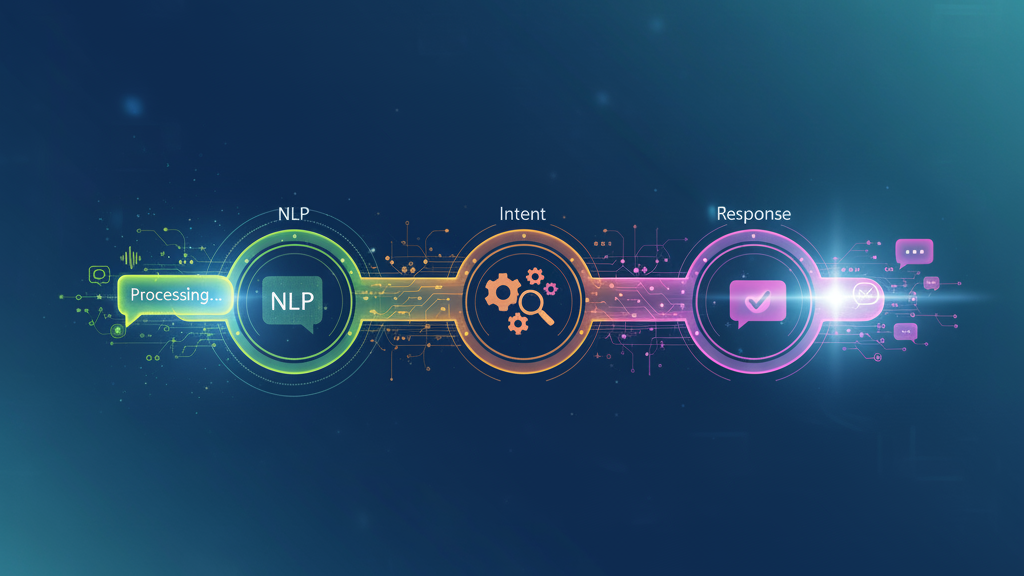
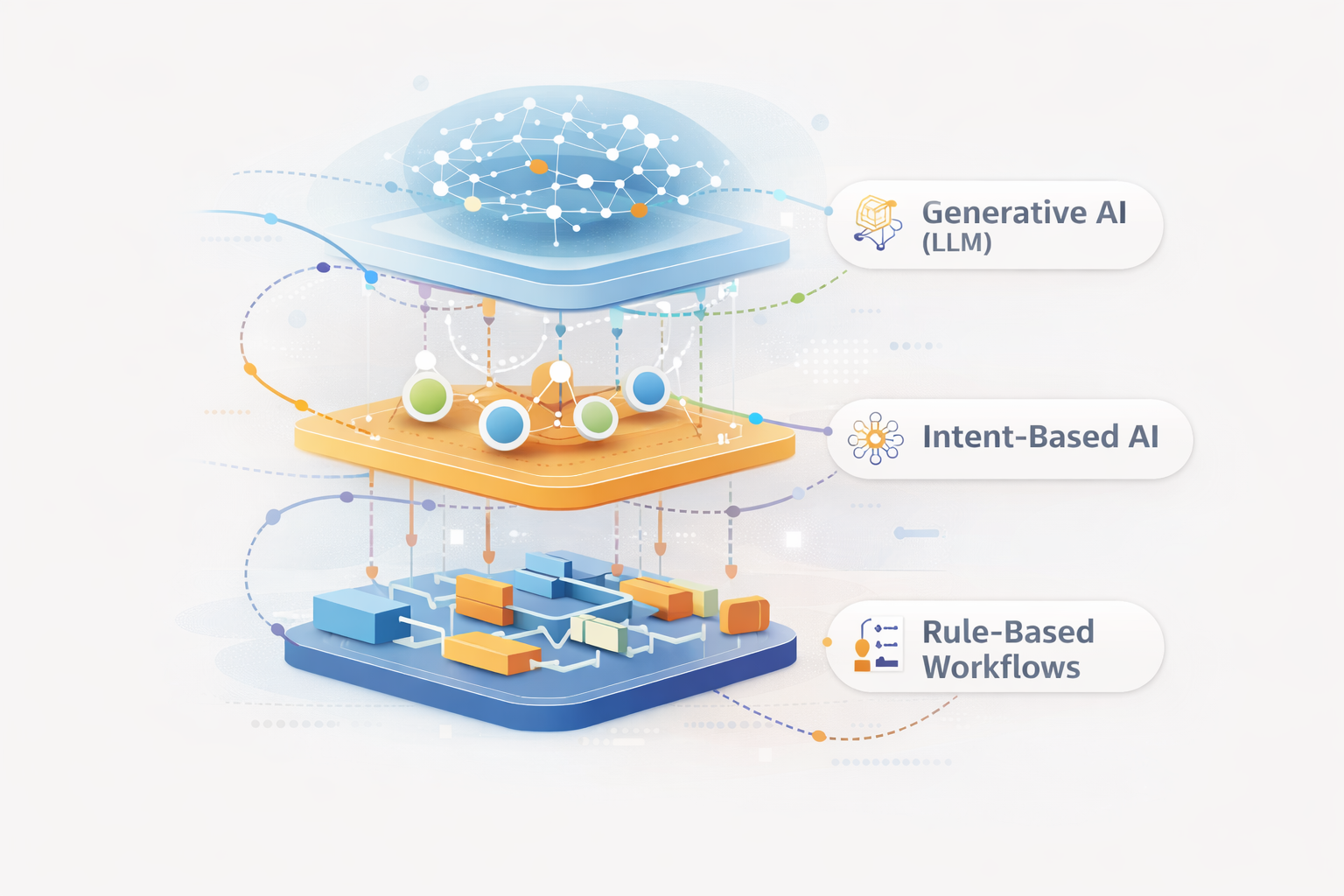
An AI chatbot is a virtual assistant that can chat with your customers automatically. Unlike traditional rule-based bots that only follow pre-set flows, AI chatbots use natural language processing (NLP) and machine learning (ML) to understand intent, respond intelligently, and even learn from each interaction. Think of them as digital team members who never sleep and never forget a question.
2. Why AI Chatbots Matter for SMEs
For small businesses, every minute and dollar counts. AI chatbots can:
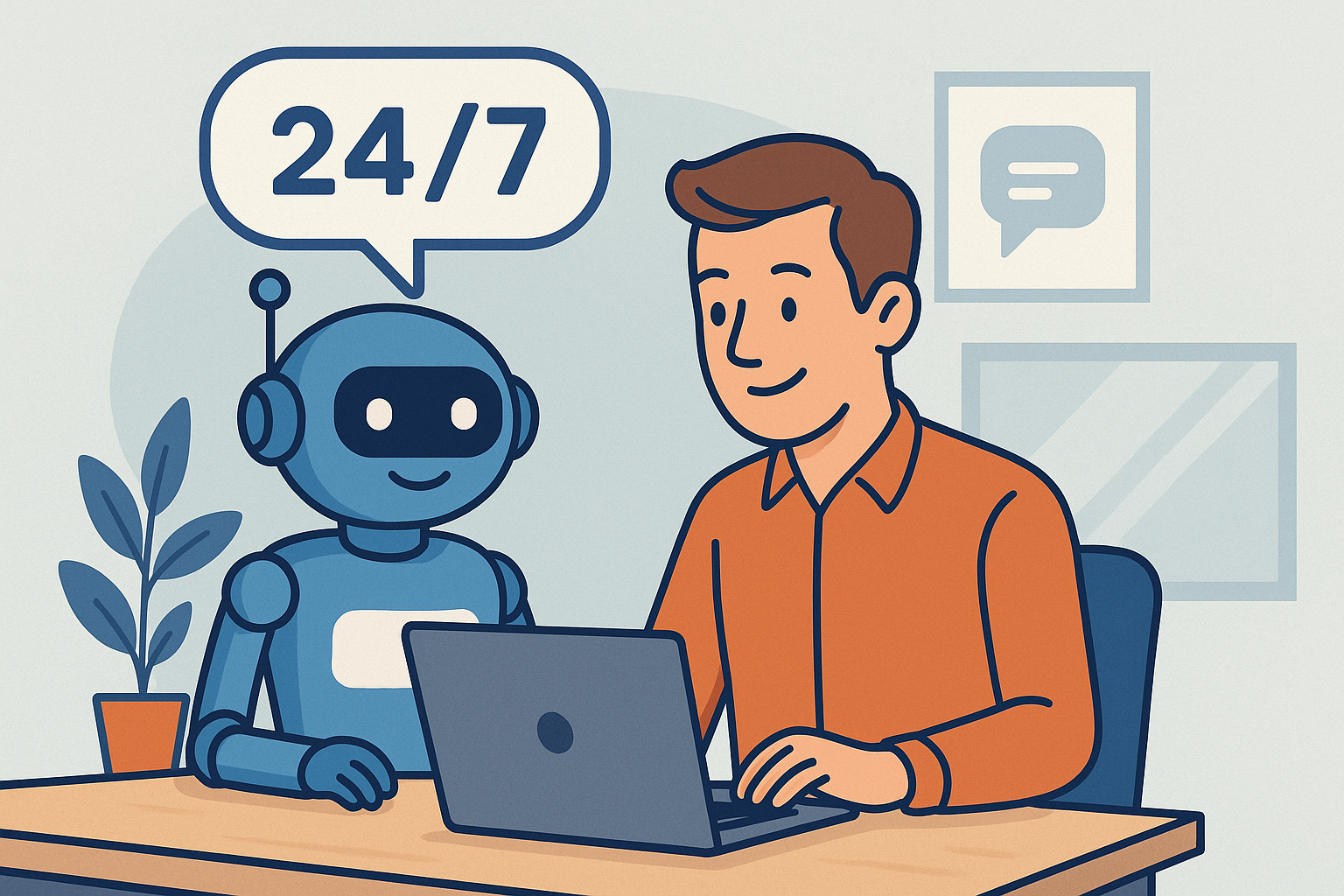
· Handle routine inquiries 24/7 – from FAQs to appointment bookings.
· Capture and qualify leads even outside office hours.
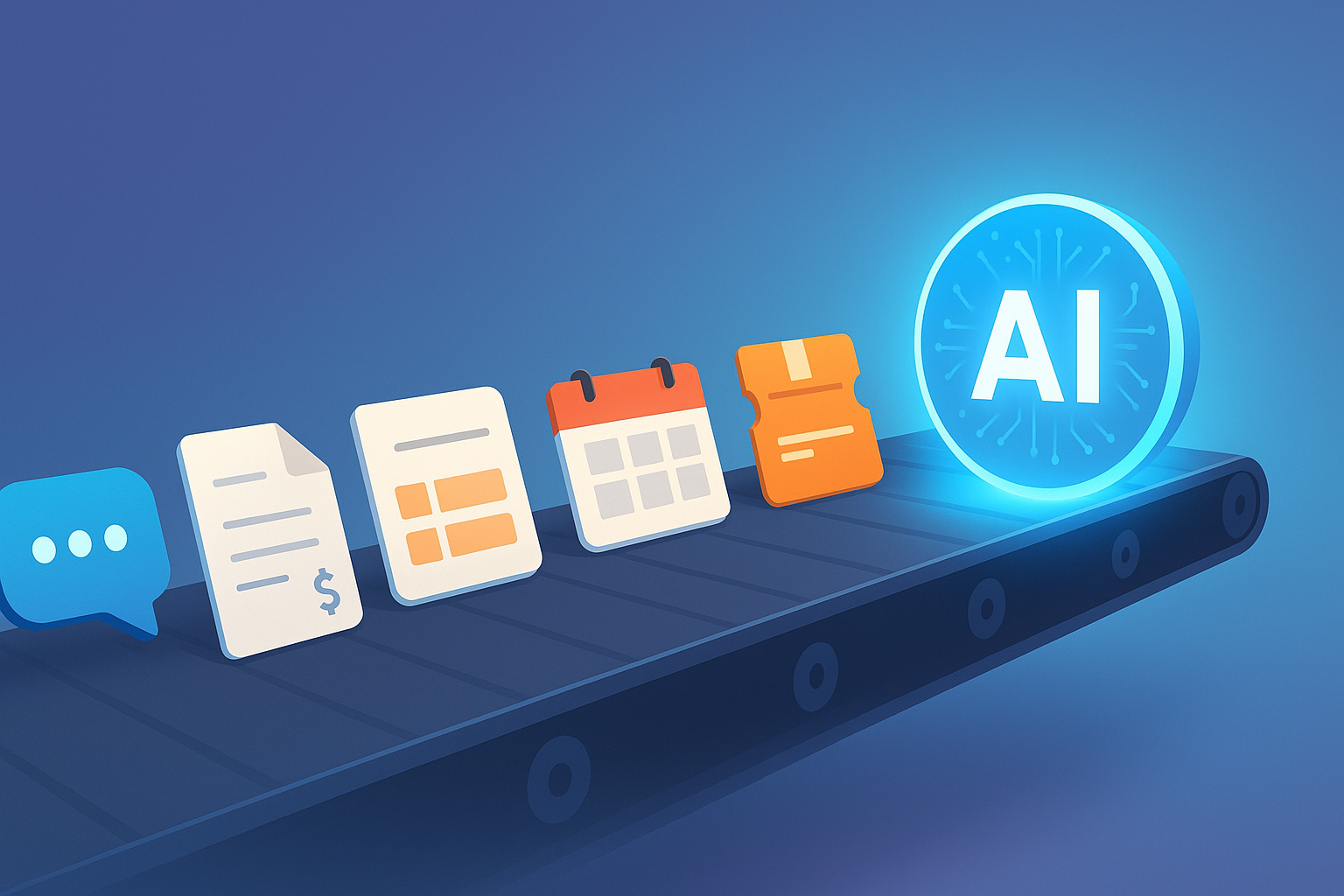
· Reduce support costs by automating repetitive conversations.
· Personalize communication with context-aware responses.
Example: A local accounting firm can set up a chatbot to answer tax season queries instantly. Instead of hiring extra temp staff, the chatbot handles hundreds of clients at once.
3. Where SMEs Can Use Chatbots
Modern chatbots can live wherever your customers are:
· On your website – greet visitors, answer questions, and collect leads.
· On WhatsApp or Facebook Messenger—provide real-time support.
· Inside your CRM or internal tools—help staff retrieve data or automate tasks.
With multi-platform tools like CuChat, one chatbot can be deployed across multiple channels, so you don’t have to rebuild workflows for each platform.
4. Common Misconceptions About Chatbots
· “They sound robotic.” – Modern chatbots can use conversational tone, emojis, and context to feel natural.
· “Only big companies can afford them.” – Cloud-based tools such as CuChat now let SMEs build powerful chatbots for a fraction of the cost.
· “They replace humans.” – The best systems work alongside humans, handling repetitive tasks so your team can focus on problem-solving. For example, CuChat has a speak-to-human feature that can detect users’ frustration and call in a human when required. This allow for basic but repetitive inquiries to get answered by AI so your customer service is not answering the same questions for the 100th time that day, droning them out.
Conclusion
AI chatbots are no longer a futuristic concept—they’re today’s productivity tool for growing businesses. For SMEs, the key isn’t to replace people but to let automation handle the repetitive work so teams can focus on building relationships and closing deals. Whether you run a small retail shop or a professional service, CuChat’s AI chatbot can make your day easier and your customers happier.