Introduction
Running an SME or startup often feels like juggling — replying to customers, chasing payments, booking appointments, and trying to sell more, all before lunch. Automation tools and chatbots can now share that load. But not every task needs a full AI system — some are best handled by a simple chatbot, while others require deeper AI integration. Below, we separate where chatbots shine and where broader AI automation takes over.
1. Customer-Facing Tasks That Chatbots Handle Best
a. Lead Capture and Qualification (Chatbot)
Chatbots can greet every visitor instantly, collect names, emails, or company info, and ask short qualifying questions. High-intent leads get routed to sales; others receive nurturing messages. This interaction feels personal and conversational, improving conversion rates.
b. Appointment Booking and Scheduling (Chatbot)
Chatbots can furnish your Calendly links or directly sync with your calendar to book demos or consultations automatically. Customers see available slots and confirm inside the chat. This is pure chatbot automation — real-time, conversational, and user-friendly.
c. Customer Support FAQs (Chatbot)
From pricing and refund policy to operating hours, chatbots can instantly respond to repetitive customer queries. That frees your human staff for complex or high-value issues.
2. Internal Operations Where AI Works Behind the Scenes
d. Order Tracking and Status Updates (Chatbot + AI)
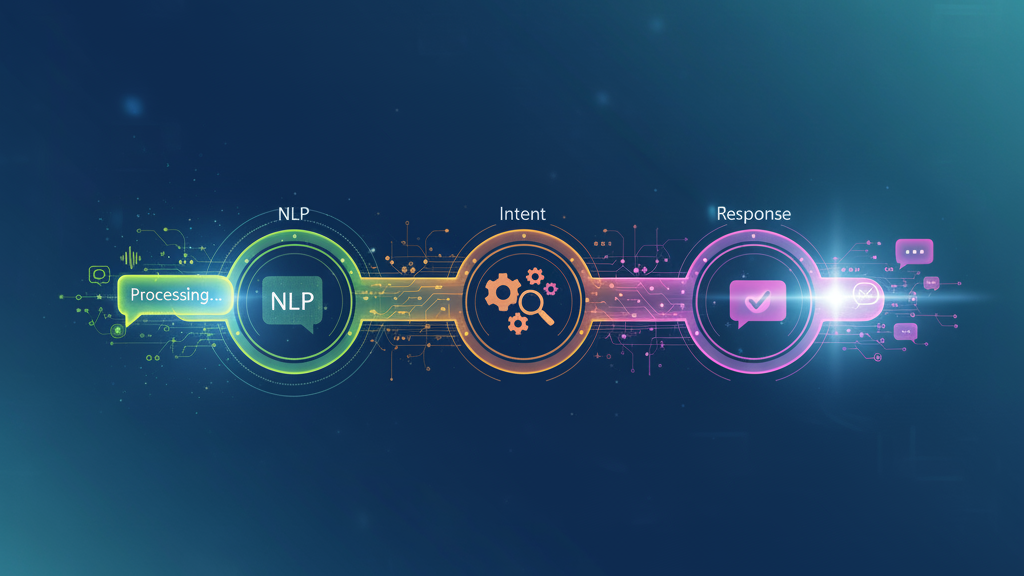
A chatbot provides the interface — the friendly “Where’s my order?” conversation — but the real work happens in the background as AI fetches data from ERP or logistics systems.
e. Feedback and Surveys (Chatbot)
Chatbots can trigger quick feedback questions or short surveys. AI can later analyze sentiment or keyword trends, turning short replies into actionable insights.
f. Internal HR Queries (Chatbot + AI Integration)
The chatbot handles basic employee questions (“How many leave days do I have?”). When deeper data is needed (like policy interpretation or trend reporting), AI supports the process.
g. Payment Reminders and Invoices (Chatbot-triggered AI Automation) (AI Workflow)
This is where AI automation dominates. Chatbots can initiate reminders, but the heavy lifting — syncing invoice status, confirming payments, and updating records — belongs to AI systems integrated with your finance tools.
3. Growth and Revenue Tasks Powered by Conversation
h. Product Recommendations (Chatbot + AI)
Chatbots provide the conversation while AI analyzes browsing history and preferences. Together they suggest relevant products or upgrades — turning casual chats into conversions.
i. Event and Webinar Registration (Chatbot)
Visitors can sign up for events directly within chat, skipping forms. The chatbot manages confirmations and reminders; no complex AI needed here.
j. Cross-Selling and Upselling Conversations (AI Guidance)
AI detects buying intent or context from prior messages, while the chatbot delivers natural, well-timed prompts. The duo drives higher average order values.
4. Why It Matters for SMEs
Knowing when to use a chatbot versus AI helps SMEs scale smarter:
· Chatbots shine at customer interaction and workflow initiation.
· AI shines at data-heavy, predictive, or integration-driven tasks.
Together, they offer:
· Faster responses (seconds, not hours)
· Lower operational costs (one system replaces several tools)
· Higher data accuracy (automated syncs, no copy-paste)
· Better customer experience (consistent, conversational, intelligent)
A quick comparison:
|
Workflow |
Chatbot or AI |
Manual Time per Day |
With Automation |
|
Booking Appointments |
Chatbot |
~1 hour |
Instant |
|
FAQ Responses |
Chatbot |
~3 hours |
Instant |
|
Payment Follow-ups |
AI Workflow |
~30 minutes |
Automated |
Conclusion
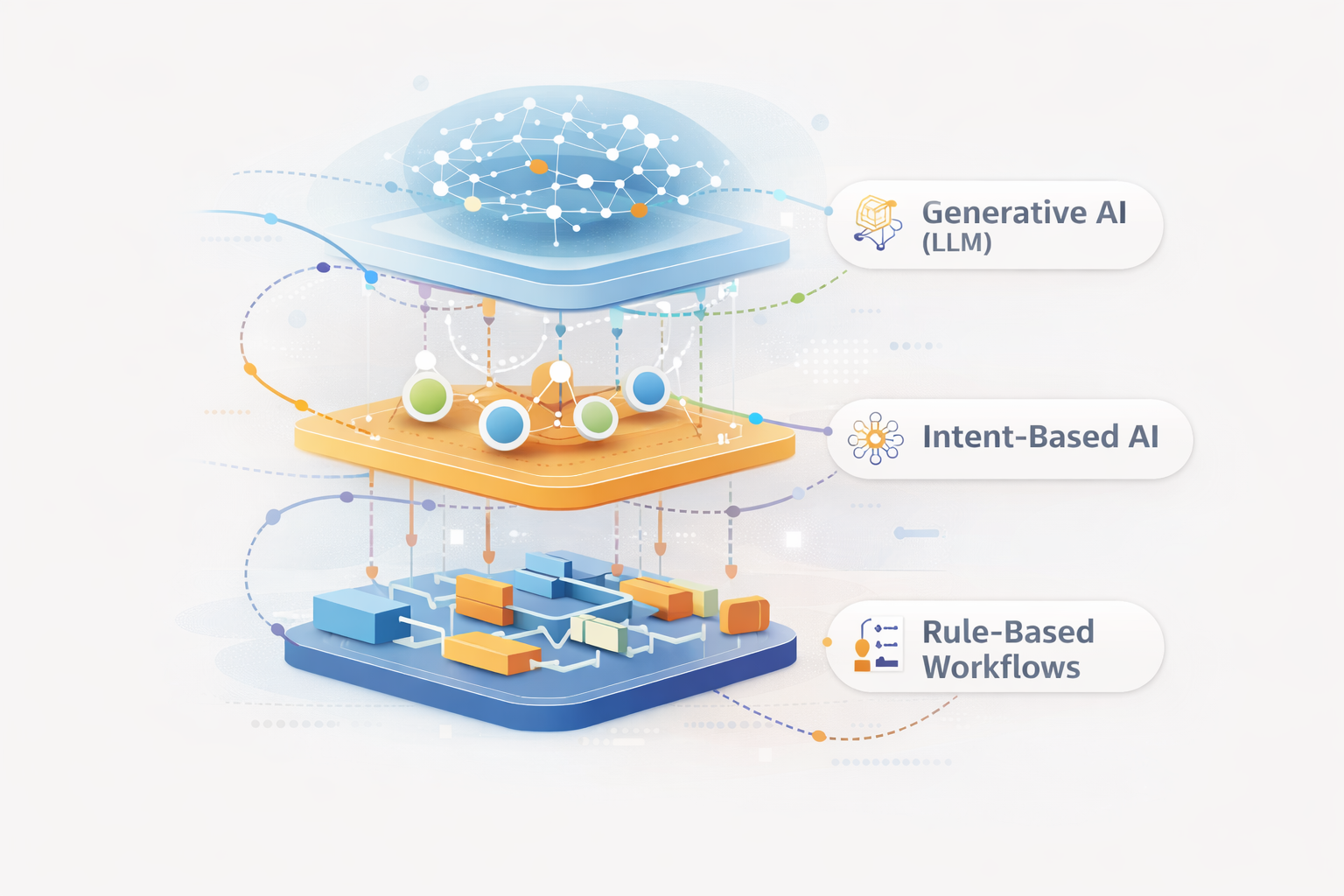
AI and chatbots aren’t competitors — they’re teammates. Chatbots provide the face; AI powers the brain. For SMEs, the goal is balance: start with visible, customer-facing wins using chatbots, then layer AI where deeper automation makes sense.