Introduction
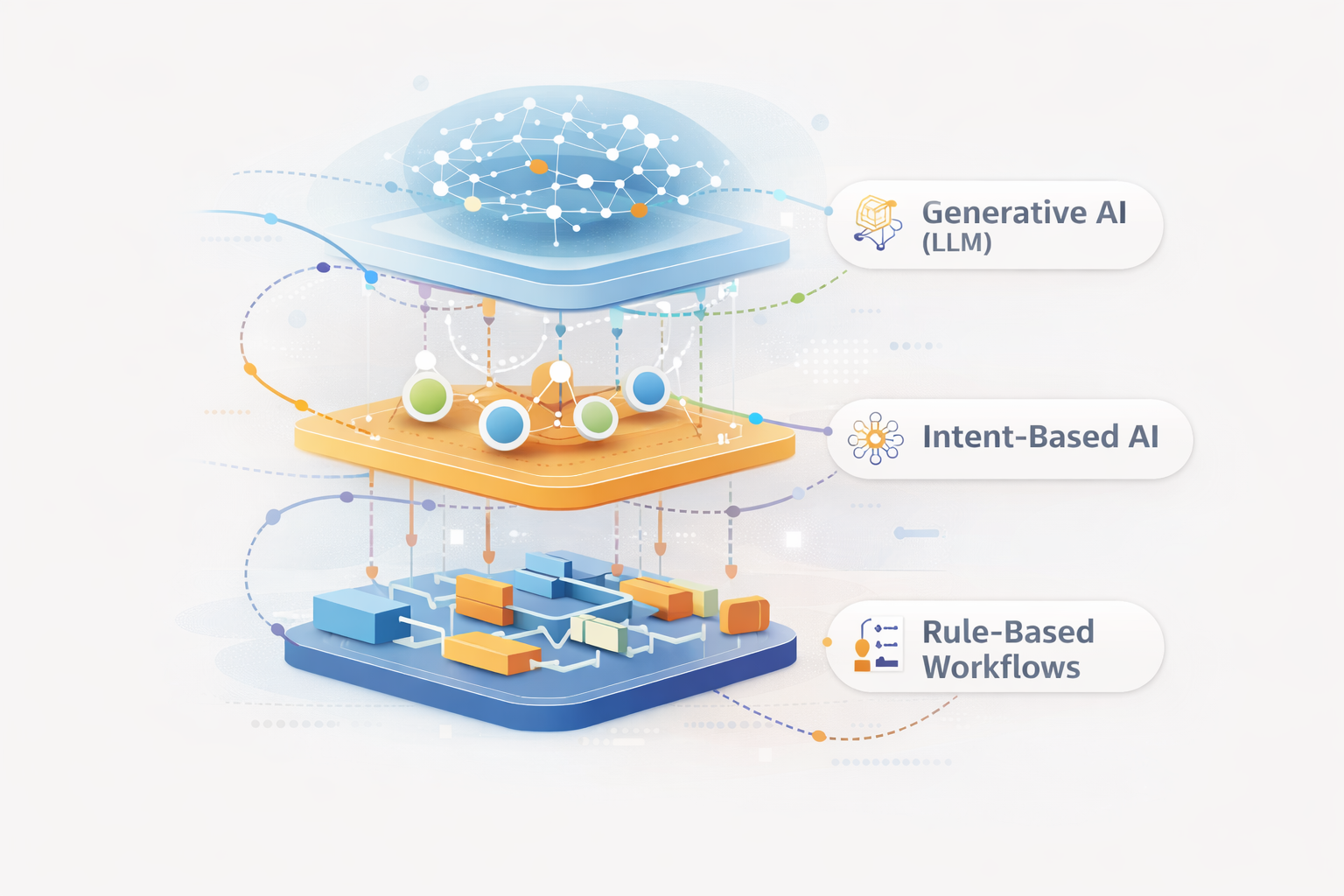
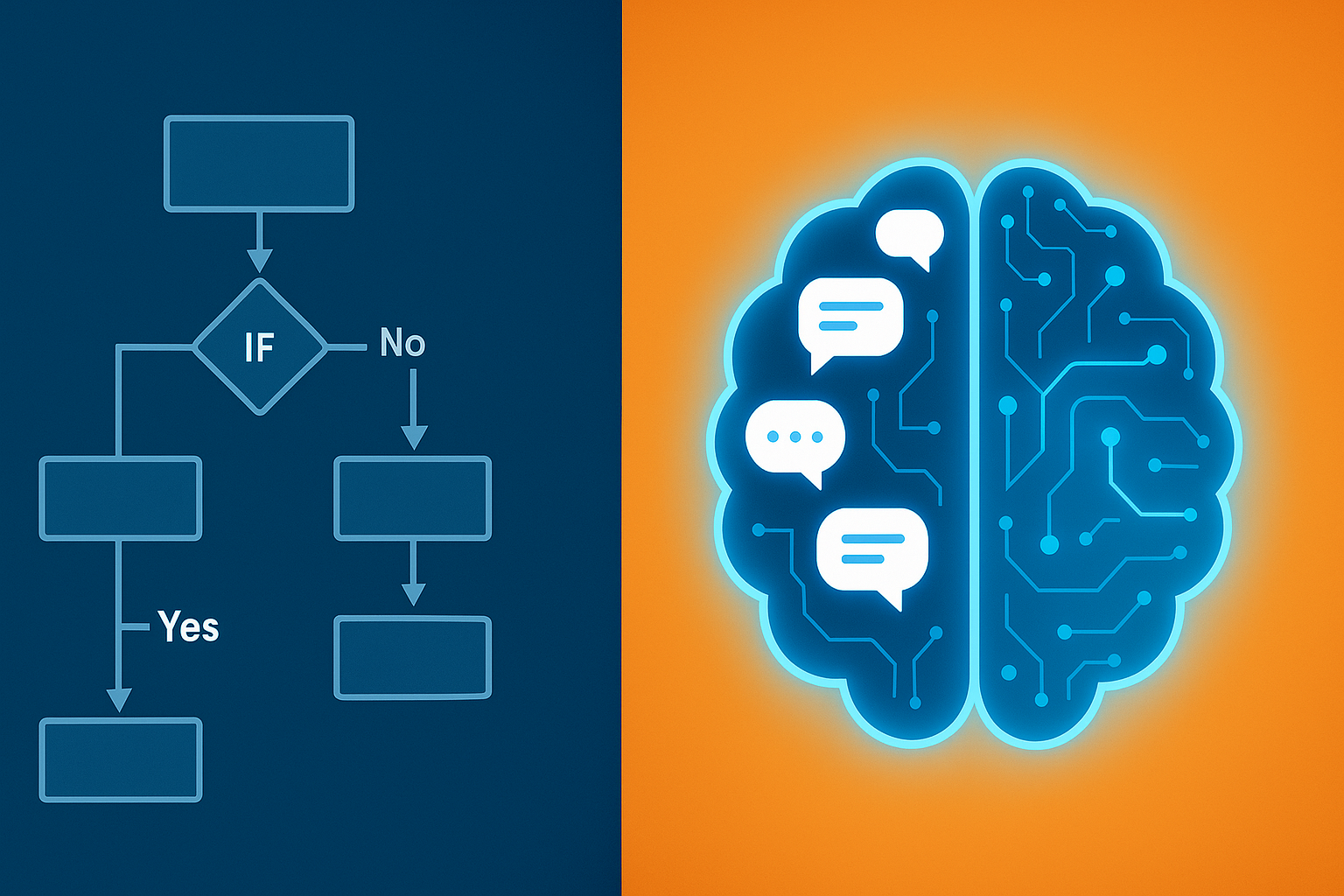
Not all chatbots are created equal. Some follow strict rules like a flowchart; others use artificial intelligence to understand context and respond dynamically. For SMEs exploring automation, it’s important to know which type fits your business goals — a rule-based chatbot or an AI-powered one.
1. The Rule-Based Chatbot: Simple, Predictable, but Limited
Rule-based chatbots work on pre-defined decision trees. Every question must match a keyword or command you’ve set up. If the visitor’s message doesn’t match, the bot can’t continue.
Strengths:
· Quick to build and deploy — ideal for basic FAQs or basic booking systems.
· Low cost and easy to maintain.
· Full control over replies (no surprises).
Limitations:
· Struggles with unexpected phrasing or typos.
· Can’t learn or improve without manual updates.
· Feels robotic when conversations deviate from the script.
· Need clear definitions and rigid setup to prevent surprises
Example:
A restaurant chatbot that only understands “Book a table” or “View menu.” If a customer types “Can I make a reservation for tonight?”, the bot might not recognize it unless you’ve added that exact phrase.
2. The AI Chatbot: Smarter, Adaptive, and Scalable
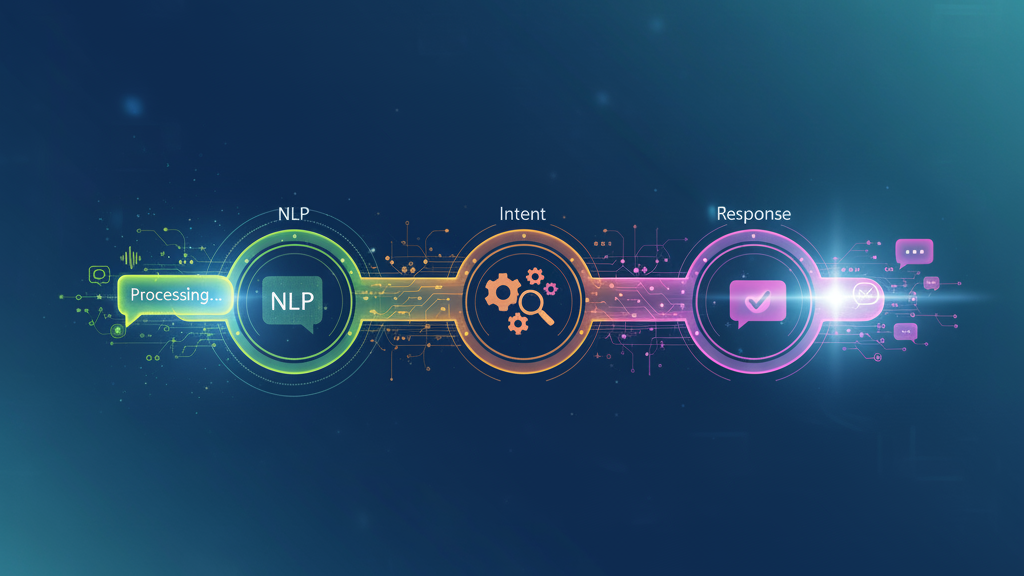
AI chatbots use Natural Language Processing (NLP) to understand intent rather than exact keywords. They can interpret phrasing, context, and tone — and improve over time with data.
Strengths:
· Understands variations in user input (“I’d like to reserve a seat” vs “Book a table”).
· Learns from previous interactions to improve accuracy.
· Can personalize responses using user data and conversation history.
Limitations:
· Requires training or connection to a language model.
· Slightly higher cost to run and maintain.
· Needs monitoring to prevent incorrect or off-brand answers and might not be suitable for businesses in the finance or medical industry where answers have to be extremely accurate.
Example:
An AI chatbot on a financial advisory website that understands “I want to explore loan options” and replies with contextually relevant suggestions, even if phrased differently.
3. Which One Should SMEs Choose?
It depends on your needs:
|
Goal |
Best Fit |
|
Answer repetitive basic FAQs quickly |
Rule-Based |
|
Handle free-form questions naturally |
AI Chatbot |
|
Gather leads and qualify prospects |
AI Chatbot |
|
Provide 24/7 booking or support |
Either (depending on complexity) |
|
Scale across multiple languages or platforms |
AI Chatbot |
4. Cost vs Value Perspective
Rule-based bots are cheaper upfront, but the time investment required to tune them can take weeks or even months. AI chatbots may cost more initially but save far more in time, lead conversion, and customer satisfaction.
Conclusion
Rule-based chatbots are great for getting started, but AI chatbots are the future. As customers expect faster, more natural conversations, investing in AI now helps your business stay ahead.