Introduction
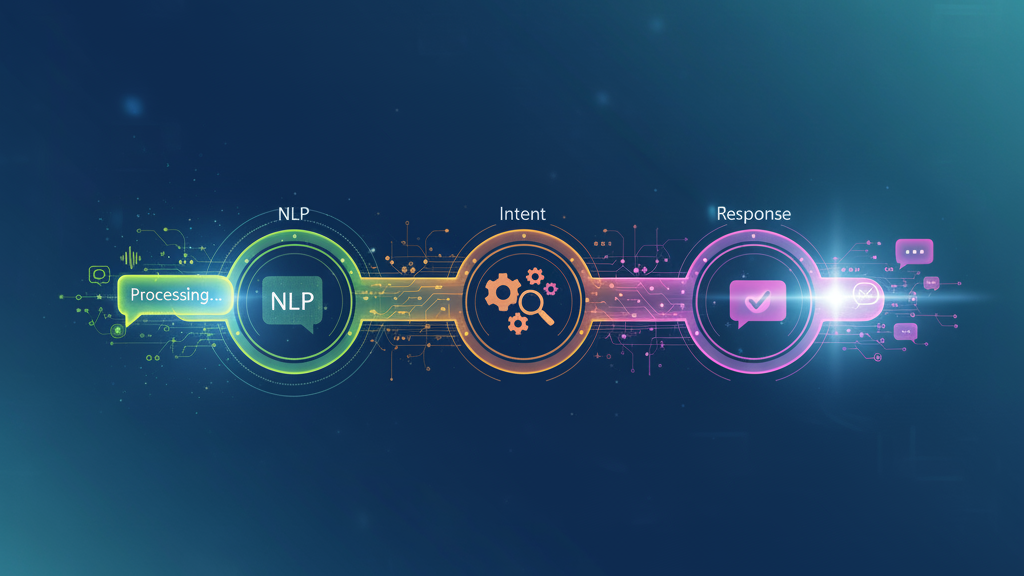
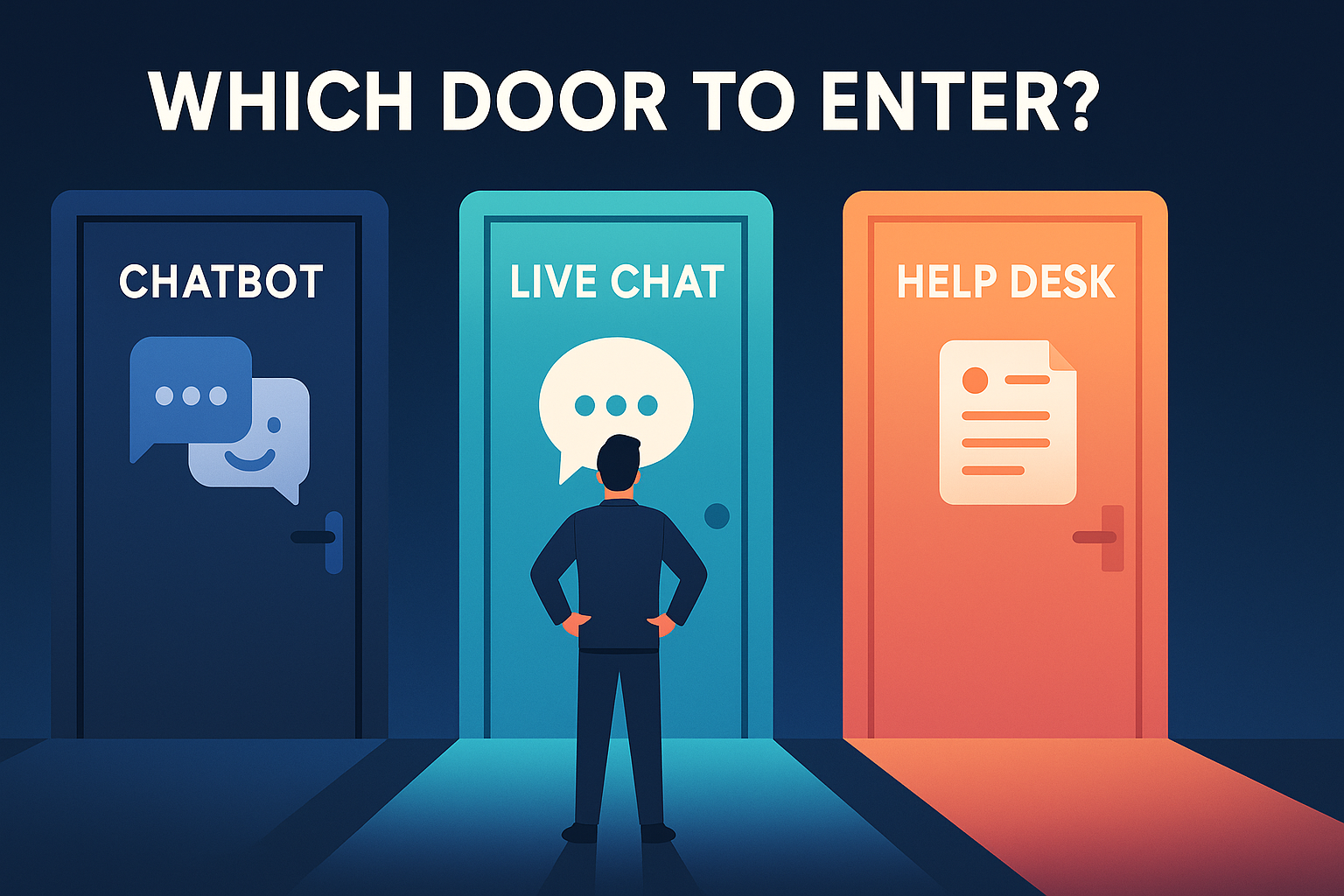
When businesses look for ways to communicate with customers, three terms often come up — chatbot, live chat, and help desk. They sound similar but serve very different purposes. Choosing the right one can mean the difference between efficient automation and frustrated customers. Here’s how they compare, and how to decide which suits your SME best.
1. What Each Tool Does
Chatbot
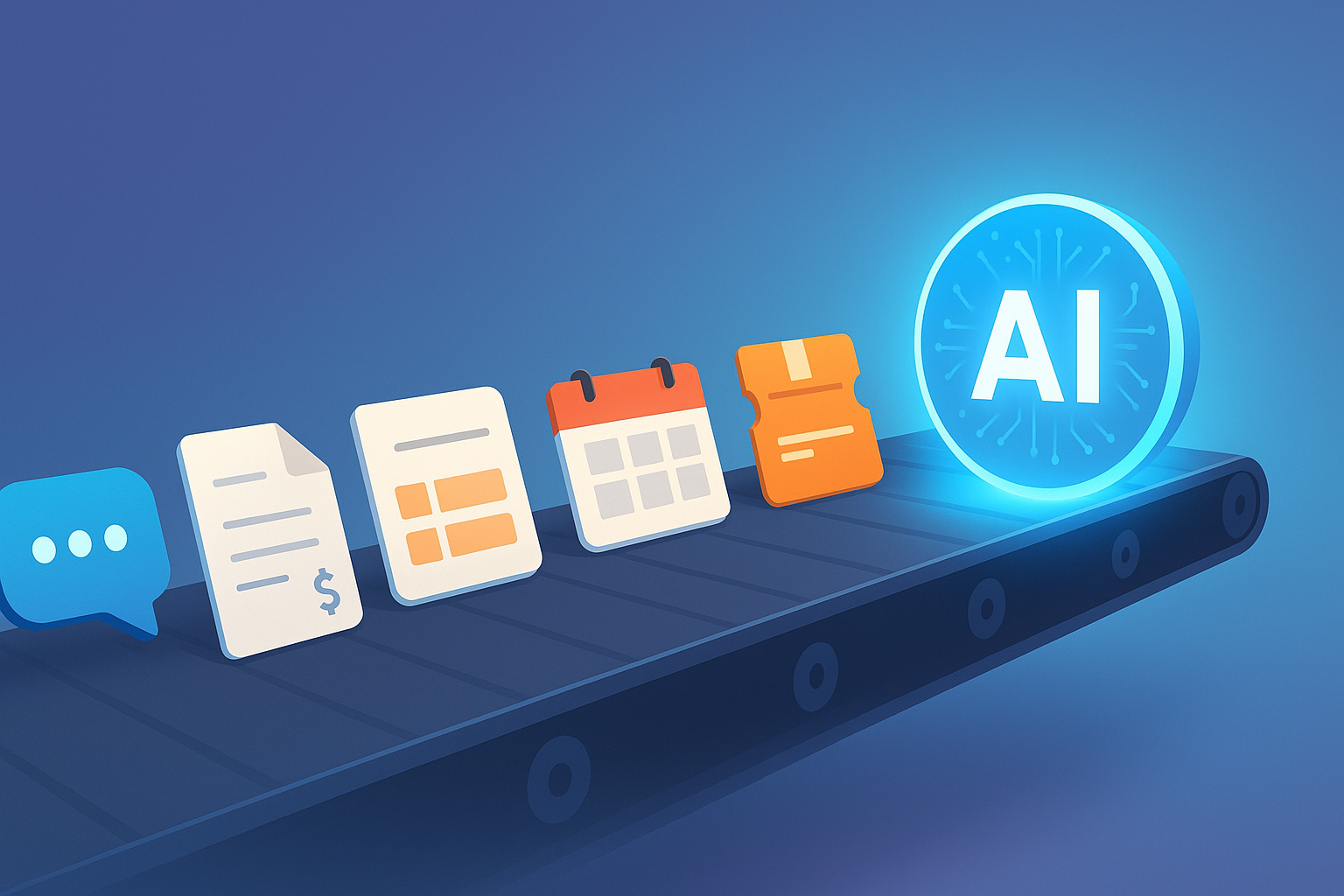
A chatbot automates conversations using predefined logic or AI. It handles FAQs, lead capture, and bookings—available 24/7. Think of it as your virtual receptionist.
Live Chat
Live chat connects a visitor directly to a human agent in real time. It’s ideal for complex or emotional issues where empathy matters. Think of it as a digital front desk.
Help Desk
A help desk manages support tickets, email threads, and service requests. It’s your back-end system for tracking and resolving customer issues. Think of it as your operations center.
2. Strengths and Limitations
|
Tool |
Strengths |
Limitations |
|
Chatbot |
Always on; instant replies; great for FAQs and lead generation |
Can’t handle highly specific or emotional questions without training |
|
Live Chat |
Human empathy; flexible replies |
Requires staff availability; slower at peak hours |
|
Help Desk |
Tracks issues systematically; integrates with CRM |
Feels less personal; slower initial response |
3. When to Use Each
· Chatbot: Ideal for first contact — answer FAQs, qualify leads, and provide instant help when agents are offline.
· Live Chat: Best during business hours for handling complex or context-heavy questions.
· Help Desk: Crucial for follow-ups, issue tracking, and ensuring no customer query slips through the cracks.
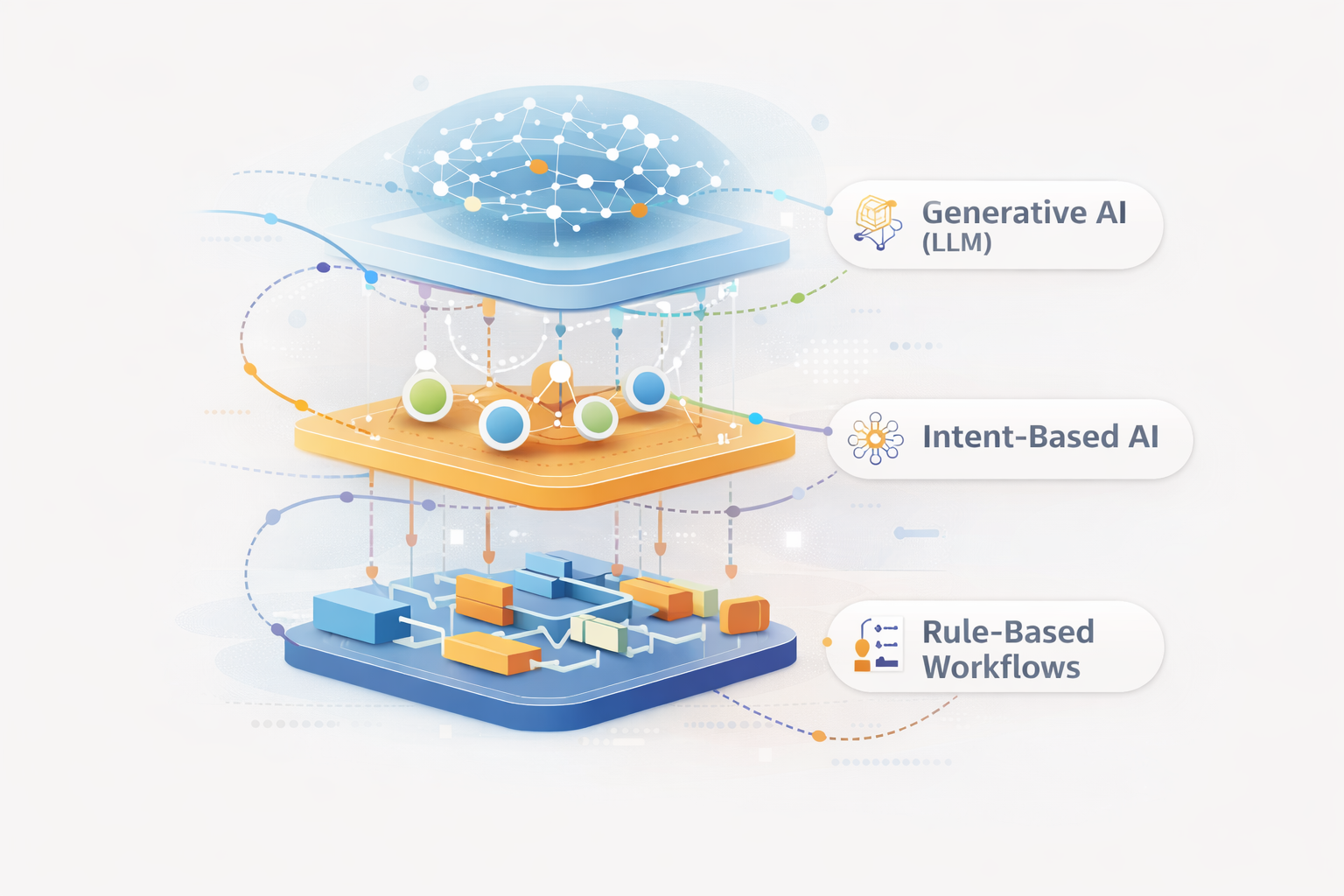
Many SMEs blend all three: the chatbot filters and collects info, live chat agents handle deeper conversations, and the help desk stores and tracks resolutions.
4. How They Work Together
A modern customer journey often involves all three:
1. The chatbot greets and qualifies the user.
2. If needed, it passes the chat to live support.
3. Once resolved, the issue is logged into the help desk for follow-up.
With integration tools like CuChat, these transitions can happen smoothly within one platform — no switching between systems.
5. Cost and Scalability Considerations
· Chatbot: Lowest ongoing cost; scales instantly.
· Live Chat: Cost grows with team size; ideal for high-touch service brands.
· Help Desk: Scales well but needs workflow setup and consistent maintenance.
For most SMEs, a hybrid model works best: start with a chatbot to handle 60–70% of queries automatically, then use live chat and help desk integrations for escalation and tracking.
Conclusion
Chatbots, live chat, and help desks aren’t competitors — they’re stages of the same customer service system. The smartest businesses combine automation and human touch, using chatbots for speed, live chat for empathy, and help desks for reliability. CuChat bridges all three, helping SMEs deliver faster, more personal, and more consistent support — without the complexity. Our clever chatbot can detect when a human is required, knowing when to escalate to a Help Desk only when it is required, allowing your customer service to concentrate on critical requests, and letting the bot handle the repetitive questions like "How do I reset my password, are you open today?" instantly, without keeping your customer waiting and your staff bored.